
A Moment of Self-Reflection
Sweet Spot Between Confidence: There was a moment early in my entrepreneurial journey when I sat alone after a long day of meetings. The room was quiet. The excitement of the day had faded, and what remained was a question I could not ignore: Was I confident in the vision, or was I convincing myself of something that was not yet real?
Every founder faces this moment. The world celebrates confidence. Investors want to see it. Teams feel energized by it. Markets reward it. But there is another side of the story. Confidence, when unchecked, can cross a subtle line into something less helpful: Delusion.
The difference between confidence and delusion is often subtle. Sometimes, the space between them is no wider than a single honest conversation with yourself. Learning to live in that narrow space became one of the most important leadership lessons of my life.
The Cinematic Meaning Behind The Sweet Spot Between Confidence and Delusion
In every powerful film about a visionary leader, the turning point is rarely the moment the hero becomes confident. That usually happens early.
The real turning point occurs when the hero learns to balance belief with awareness. They believe deeply in their mission and trust in the future they are building. Yet, they also listen. They adjust. They stay open to truth, even when that truth is uncomfortable.
That balance is the sweet spot. In Tel k Ganesan’s philosophy, confidence is necessary—without it, founders never begin the journey. But confidence alone is not enough. Leaders must also develop humility and awareness.
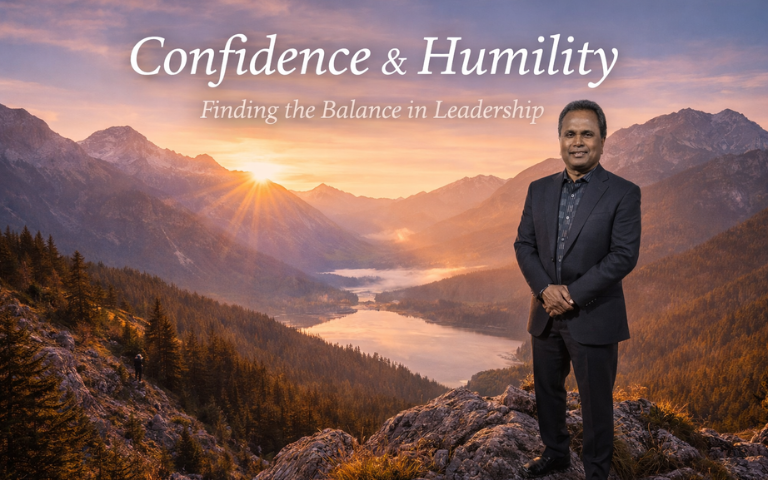
Confidence moves the vision forward. Humility keeps the vision grounded. When these two qualities work together, leadership becomes sustainable.
How Tel Ganesan Interprets This Concept
Throughout my career, I’ve noticed something consistent about successful founders: They possess a strong belief in their vision, yet they remain curious enough to question their assumptions.
This is where many leaders struggle. Some founders lack confidence and hesitate too long, missing opportunities. Others hold so tightly to their beliefs that they stop listening to reality. Feedback becomes noise, and evidence becomes inconvenient.
The healthiest founders operate somewhere in the middle. They ask questions, even when they believe they’re right. They test ideas instead of defending them endlessly. They remain confident in purpose but flexible in execution.
This balance creates resilience.
In the sweet spot between confidence and delusion, leaders develop systems that keep belief aligned with reality. They gather honest feedback, examine data carefully, and build teams that are comfortable speaking the truth.
Confidence without feedback becomes fragile.
Confidence with reflection becomes wisdom.
Emotional and Leadership Insights
There’s a psychological reason why this balance matters. The human mind naturally protects its beliefs. When we commit to an idea, our brains filter information in ways that confirm what we already think. Psychologists call this confirmation bias. For founders, this bias can be dangerous. It may cause leaders to:
-
Ignore warning signs.
-
Surround themselves only with agreement.
-
Prevent necessary change.
Healthy leadership requires self-awareness. The ability to step back and ask difficult questions:
-
Is this working?
-
What am I missing?
-
Who sees something I do not?
Emotional intelligence plays a crucial role here. Leaders who practice reflection learn to separate their ego from the vision. The vision may be strong, but the path toward it can evolve.
Several psychological tools help founders maintain this balance:
-
Reflective journaling: Writing regularly about decisions and outcomes builds awareness over time.
-
Feedback circles: Creating trusted groups who can challenge ideas honestly protects leaders from blind spots.
-
Scenario planning: Exploring multiple possible futures prepares leaders for uncertainty.
-
Mindful pauses: Taking time before major decisions reduces impulsive reactions.
These practices are simple but powerful. They allow confidence to remain strong without drifting into delusion.
Leadership Lessons Hidden in the Balance
When founders learn to operate within the sweet spot between confidence and delusion, several lessons emerge:
-
Vision must be bold, but plans must be flexible: Believing in the destination doesn’t mean the route will stay the same. Great leaders adapt without losing purpose.
-
Listening strengthens confidence: Some leaders fear that listening signals weakness, but listening actually strengthens credibility and improves decision-making.
-
Humility protects long-term success: When leaders remain teachable, growth continues. When they believe they already know everything, progress stops.
-
Truth builds stronger teams: Teams perform best when honesty is welcomed. When people feel safe speaking the truth, organizations avoid costly blind spots.
Applying ‘The Sweet Spot Between Confidence and Delusion’ in Real Life
Every founder eventually confronts the tension between belief and reality. Here are practical ways to maintain balance:
-
Separate vision from ego: Your identity should not depend on a single idea. When leaders detach ego from strategy, they become free to evolve.
-
Seek disagreement intentionally: Invite people who think differently. Diverse perspectives strengthen thinking.
-
Test ideas quickly: Small experiments reveal the truth faster than endless debate.
-
Practice quiet reflection: Moments of silence often reveal insights that noise hides.
What Does ‘The Sweet Spot Between Confidence & Delusion’ Mean in Tel Ganesan’s Cinematic Leadership Philosophy?
In Tel Ganesan’s cinematic leadership philosophy, the sweet spot between confidence and delusion is where founders believe deeply in their vision while remaining humble enough to listen, learn, and adjust. This balance allows leaders to pursue bold goals without losing connection to reality.
Questions Worth Asking Yourself
Take a moment to pause. Where in your life are you being asked to believe more boldly? Where might humility be asking you to listen more carefully?
These questions are not signs of weakness. They are signs of thoughtful leadership.
Carry This Forward
Leadership is not a performance; it’s a practice. Confidence helps us begin the journey. Humility keeps us learning along the way.
When both are present, the path forward becomes clearer. Today, take time to reflect on one decision you are currently making. Ask someone you trust for honest feedback. Write down what you learn.
Carry that awareness forward. The greatest leaders are not those who believe they know everything. They are the ones who remain courageous enough to believe in the future and humble enough to keep learning.