
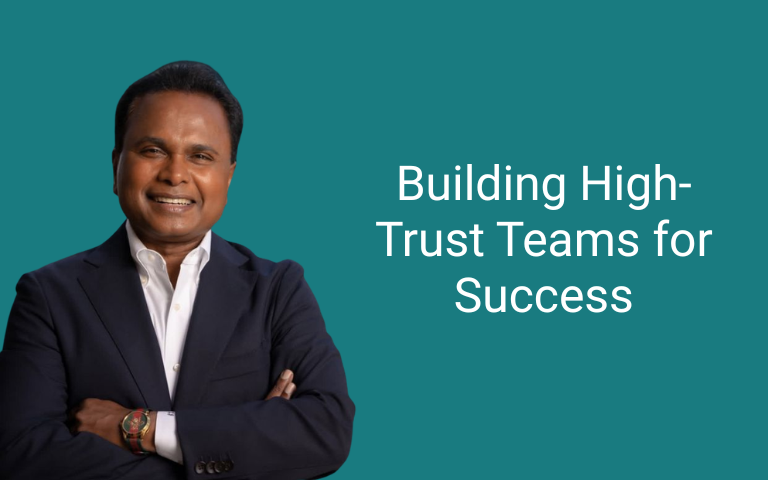
Build High-Trust Teams: One of the most important lessons I learned in leadership did not come from a boardroom. It came from watching people work together.
In the early days of building Kyyba, the team was small. Everyone wore multiple hats. Deadlines were tight. Resources were limited. But there was a certain energy in the room that made the work feel different. People trusted each other.
If someone stayed late solving a problem, others stepped in to help. If a new idea surfaced, it was discussed openly without fear of criticism. Conversations were honest and respectful.
At that stage, we did not use the phrase “high-trust teams.” We were simply trying to build something meaningful. But looking back now, I realize that trust was the invisible foundation that allowed the company to grow.
Technology can be replicated. Business strategies can be copied. But trust between people is far more difficult to reproduce. And that makes it one of the most powerful advantages any organization can build.
“Trust is the invisible foundation that allows the company to grow.”
The Cinematic Meaning Behind How to Build High-Trust Teams
In powerful films, the most memorable teams are rarely defined by talent alone. They are defined by loyalty.
You see it in the way characters communicate. The way they protect each other when challenges appear. The way they celebrate victories together. Trust transforms a group of individuals into something stronger.
Organizations operate the same way. As Kyyba expanded into new markets and industries, technical expertise was essential. But what truly allowed teams to perform under pressure was trust. Trust between leadership and employees. Trust between colleagues. Trust that everyone was working toward the same purpose.
Later experiences reinforced that lesson in different environments. Creative projects through Kyyba Films showed how trust allows storytellers to collaborate freely. Music initiatives through Kyyba Music revealed how artists produce their best work when they feel respected and supported. Founder ecosystems like TiE Detroit demonstrate the same dynamic on a larger scale. Entrepreneurs share ideas, mentor each other, and celebrate progress across companies.
In each of these environments, trust becomes the catalyst for collaboration. Without it, teams become cautious. With it, teams become unstoppable.
How Tel Ganesan Interprets This Concept
For many leaders, trust seems intangible! But in reality, trust grows through very specific behaviors. During the early growth of Kyyba, building trust required consistency. Teams needed to know that leadership decisions would reflect the company’s values. Clients needed confidence that commitments would be honored.
These small actions gradually shaped the culture of the organization. Trust is not created through speeches or mission statements. It grows through everyday interactions.
As the company expanded, maintaining that culture required intentional effort. Hiring decisions focused not only on skills but also on character. Team members were encouraged to communicate openly and support one another. Through involvement with TiE Detroit and other entrepreneurial communities, I observed similar patterns among successful founders.
Leaders who build high-trust teams share several habits: They listen carefully. They give credit generously. They accept responsibility when mistakes happen. These behaviors may appear simple, but their impact is profound. Trust creates an environment where people feel safe bringing their best ideas forward. – Tel k Ganesan
Emotional and Leadership Insights
Psychological research consistently shows that trust is one of the strongest predictors of team performance. When people feel trusted and respected, their engagement increases dramatically. Creativity expands. Collaboration becomes natural rather than forced.
High-trust environments share several characteristics:
-
Transparency in Communication: Leaders who communicate honestly create stability within teams. People perform better when they understand both the opportunities and the challenges ahead.
-
Psychological Safety: Teams thrive when individuals feel comfortable sharing ideas and asking questions without fear of embarrassment or punishment.
-
Shared Ownership: When leaders empower employees to contribute meaningfully, people begin viewing success as a collective achievement rather than an individual competition.
-
Recognition and Respect: Acknowledging effort and celebrating progress reinforces the belief that each person matters to the organization.
These elements gradually transform culture! Trust becomes the energy that fuels teamwork.
Applying ‘How to Build High-Trust Teams’ in Real Life
Entrepreneurs who want to cultivate high-trust teams can begin with a few practical actions:
-
Demonstrate consistency. Leaders must align their decisions with the values they communicate. When actions match words, credibility grows.
-
Encourage open dialogue. Teams perform better when people feel comfortable sharing ideas, concerns, and perspectives.
-
Invest in relationships. High-performing organizations recognize that collaboration improves when individuals understand and respect each other.
-
Create environments where learning is encouraged. Mistakes should become opportunities for growth rather than sources of blame.
These practices strengthen trust over time! And when trust becomes embedded in culture, teams gain a remarkable advantage. They move faster! They innovate more freely! They support one another during challenges.
What does ‘How to Build High-Trust Teams’ mean in Tel Ganesan’s cinematic leadership philosophy?
In Tel Ganesan’s leadership philosophy, building high-trust teams means creating environments where transparency, respect, and shared purpose empower individuals to collaborate openly. When trust becomes the foundation of leadership, teams perform with greater creativity, resilience, and unity.
Leadership Lessons From High-Trust Teams
Several insights emerge from organizations that prioritize trust:
-
Trust accelerates collaboration: When people feel safe sharing ideas, teamwork becomes more effective.
-
Respect strengthens commitment: Employees are more engaged when leaders acknowledge their contributions.
-
Shared purpose builds unity: Teams perform best when everyone understands the mission they are working toward.
Questions Worth Asking Yourself
Take a moment to consider two questions:
-
Do members of your team feel comfortable expressing honest opinions and new ideas?
-
And if a difficult challenge appeared tomorrow, would your team rally together or operate individually?
The answers often reveal the strength of trust within an organization.
Carry This Forward
Entrepreneurship is often described as a journey driven by innovation and strategy. But behind every successful venture stands something deeper: Human connection.
When leaders build high-trust teams, they create environments where people feel inspired to contribute their best ideas. They create cultures where collaboration replaces competition and purpose replaces ego.
Over time, those teams become capable of building more than companies. They build communities! They build ecosystems! They build the kind of organizations that endure.
So as you continue leading your team, remember that trust is not created overnight. It grows through everyday choices! Listen with intention! Lead with humility. Recognize the people who walk this journey beside you. Because when trust becomes the foundation of leadership, extraordinary things begin to happen.